Get Transparent Pricing & Free Estimates!
Materials, labor, and project factors
FRP Wall Panel Costs: Materials & Installation in Florida
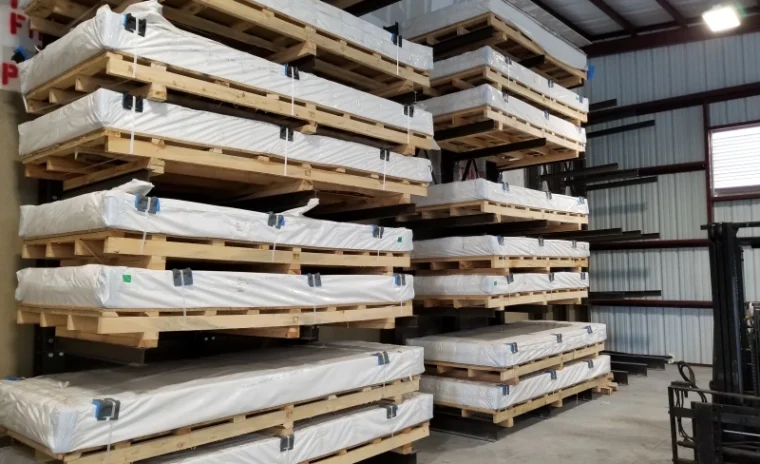
Fiberglass reinforced plastic panels have become increasingly popular across commercial kitchens, food processing facilities, healthcare settings, and even residential applications throughout Florida and the Southeast. Understanding what drives material costs helps facility managers and property owners make informed budgeting decisions.
Standard FRP panels typically range from $1.50 to $4.50 per square foot for materials alone, though specialty options can climb higher. Several factors influence where your project falls within this spectrum. Panel thickness represents one primary consideration; standard 0.090-inch panels cost less than thicker 0.120-inch or 0.150-inch options designed for high-impact environments. Surface finish also affects pricing, with smooth white being the most economical choice while embossed textures, custom colors, or antimicrobial coatings add to the base cost.
The type of backing material matters significantly. Economy-grade panels use standard fiberglass reinforcement, while premium versions incorporate fire-rated cores or enhanced impact resistance. For food service operations in humid Florida climates, investing in moisture-resistant cores prevents long-term deterioration that could necessitate premature replacement.
Adhesive systems constitute another material expense often overlooked during initial budgeting. Quality panel adhesives range from $40 to $80 per gallon, with coverage rates varying based on application method and substrate condition. Joint sealants and molding trim pieces add approximately $0.75 to $2.50 per linear foot, depending on profile complexity and color matching requirements.
Purchasing larger quantities typically yields better per-panel pricing, though minimum order requirements may apply. Ordering custom colors or non-standard dimensions introduces lead times and often increases unit costs by 15 to 30 percent compared to stock items. For projects requiring specific aesthetic outcomes or unique performance characteristics, these premium options deliver value that justifies the additional investment.
Labor costs for professional installation typically range from $3.50 to $8.00 per square foot, though complex projects with extensive wall preparation or intricate layouts may exceed this range. The final installation expense depends heavily on substrate condition, wall configuration, and project accessibility.
Wall preparation represents a critical phase that substantially impacts total labor investment. Installing panels over existing drywall or smooth concrete requires minimal surface work, keeping labor costs toward the lower end. However, removing damaged materials, repairing structural issues, or addressing moisture problems before panel installation increases both time and cost. In older commercial facilities common throughout Georgia and North Carolina, discovering hidden damage during demolition can add unexpected expenses.
Architectural complexity directly correlates with labor hours. Straightforward installations on uninterrupted wall surfaces proceed efficiently, while frequent corners, windows, doorways, electrical outlets, or plumbing penetrations slow progress considerably. Facilities with numerous obstacles may see installation rates decrease to 80 to 120 square feet per day compared to 200 to 300 square feet daily for simple layouts.
Ceiling height and accessibility factors influence pricing as well. Standard eight-foot walls allow installers to work efficiently from ground level or minimal scaffolding. Facilities with 12-foot or higher ceilings necessitate additional equipment, safety measures, and time, typically adding 20 to 40 percent to baseline labor costs. Projects requiring work during off-hours to avoid disrupting business operations often carry premium rates reflecting scheduling constraints.
Geographic location within the service area affects labor availability and prevailing wage rates. Metropolitan areas generally command higher installation costs than rural locations, though travel charges may offset apparent savings for remote project sites. Experienced installation teams deliver superior results through proper adhesive application, precise cuts, and attention to detail that prevents callbacks and ensures long-term performance.
Total project square footage significantly influences per-unit costs for both materials and installation. Smaller projects under 200 square feet often face higher per-square-foot rates due to minimum service charges, mobilization costs, and inefficiencies inherent in limited-scope work. Mid-sized installations between 500 and 2,000 square feet typically offer the best balance between competitive pricing and manageable project timelines.
Large-scale commercial installations exceeding 3,000 square feet benefit from volume discounts on materials and more favorable labor rates as efficiency increases. Installation crews working continuously on substantial projects develop workflow rhythms that maximize productivity while maintaining quality standards. For multi-location businesses expanding throughout South Carolina or Virginia, bundling several smaller installations into a coordinated regional project often yields better overall pricing than executing each location independently.
Material waste factors into total costs differently based on project scale. Small installations with numerous cuts and customizations may see waste percentages reach 12 to 18 percent of purchased materials. Larger projects with repetitive layouts minimize waste to 5 to 8 percent through optimized panel layout planning and strategic use of remnants. Experienced contractors incorporate waste calculations into estimates, ensuring adequate materials arrive on-site without excessive surplus.
Phased implementation strategies allow organizations to spread costs over multiple budget cycles while still capturing some economies of scale. Completing high-priority areas first, such as food preparation zones requiring immediate health code compliance, establishes the infrastructure and vendor relationships that streamline subsequent phases. This approach works particularly well for facilities planning comprehensive renovations but facing capital allocation constraints.
Whether outfitting a single restaurant kitchen or protecting walls throughout a regional daycare network, understanding how project scope affects unit economics enables more accurate budgeting. The difference between a 400-square-foot bakery installation and a 5,000-square-foot commercial kitchen renovation extends beyond simple multiplication, reflecting the nuanced relationship between scale and cost efficiency.
Beyond base material and installation expenses, several ancillary costs warrant consideration when developing comprehensive project budgets. Permit requirements vary by jurisdiction and project scope, with fees typically ranging from $150 to $500 for commercial installations. Some municipalities require licensed contractors to pull permits, while others allow property owners to self-permit, potentially affecting overall project coordination.
Temporary business disruption costs can exceed direct installation expenses for operational facilities. Food service establishments may lose several days of revenue during kitchen wall installations, while healthcare facilities require careful scheduling to maintain patient care continuity. Planning installations during planned closures, seasonal slow periods, or overnight shifts minimizes revenue impact but may introduce labor premium charges.
Disposal fees for removed materials add to project totals, particularly when abatement of damaged or contaminated wall surfaces becomes necessary. Standard construction debris removal costs $75 to $150 per ton, though specialized disposal requirements for mold-affected materials or certain commercial waste streams increase expenses. Florida’s humid climate sometimes necessitates mold remediation before new panel installation, introducing environmental testing and specialized cleaning costs.
Warranty considerations influence both immediate costs and long-term value. Premium panel products backed by comprehensive manufacturer warranties may carry higher upfront costs but provide financial protection against material defects or premature failure. Installation warranties from qualified contractors similarly offer recourse if adhesive failures, joint separation, or other workmanship issues emerge. Evaluating warranty terms alongside initial pricing presents a more complete picture of total investment protection.
Future maintenance requirements, while not immediate installation costs, merit consideration during product selection. Higher-quality panels with superior chemical resistance and impact durability reduce cleaning costs and extend replacement intervals, delivering lifecycle value that offsets premium initial pricing. For facilities subject to rigorous sanitation protocols or frequent washdowns, investing in commercial-grade materials prevents costly early replacement cycles.
Developing accurate project budgets requires balancing immediate costs against long-term performance and value. For most commercial applications, total installed costs ranging from $5.50 to $12.50 per square foot encompass quality materials, professional installation, and essential ancillary expenses. Projects with extensive preparation needs, premium materials, or complex configurations may reach $15.00 to $18.00 per square foot while still delivering excellent value through extended service life and reduced maintenance.
Obtaining detailed proposals from qualified contractors provides clarity on specific project costs. Comprehensive estimates should itemize material specifications, labor rates, preparation requirements, timeline expectations, and warranty terms. Comparing multiple proposals allows property owners to evaluate not just pricing but also proposed approaches, material selections, and contractor experience with similar applications.
Timing considerations affect both availability and pricing. Construction activity throughout the Southeast peaks during favorable weather months, potentially creating scheduling constraints and upward pricing pressure. Planning installations during contractor slow periods may yield better availability and negotiating leverage, though business operational requirements often dictate project timing regardless of seasonal construction market dynamics.
For businesses operating gas stations, daycare facilities, or food service establishments throughout the region, wall protection represents both a regulatory requirement and a practical investment in facility longevity. Properly installed panels prevent moisture intrusion that damages underlying structures, resist impact from daily operations, and maintain sanitary surfaces that support health code compliance. The cost of installation quickly justifies itself through reduced repair expenses, lower cleaning costs, and extended intervals between major renovations.
FRP Specialties, LLC brings extensive experience installing wall protection systems throughout Florida, Georgia, North Carolina, South Carolina, and Virginia. Our team understands the unique environmental challenges facing facilities in humid coastal regions and inland areas alike. We provide transparent pricing, quality materials, and professional installation that ensures your investment delivers lasting performance. Whether protecting a single room or outfitting an entire facility, our turnkey approach manages every project phase from initial consultation through final inspection, allowing you to focus on your core business while we handle the details. Our commercial project experience spans diverse applications, giving us the insight to recommend solutions tailored to your specific operational requirements and budget parameters.
Understanding the components that comprise total project costs empowers better decision making. Rather than selecting solely based on lowest initial price, evaluating material quality, installation expertise, warranty protection, and expected service life produces more favorable long-term outcomes. Quality wall protection systems installed correctly provide decades of reliable performance, making them one of the more cost-effective facility improvements available to commercial property owners and managers.