Get Transparent Pricing & Free Estimates!
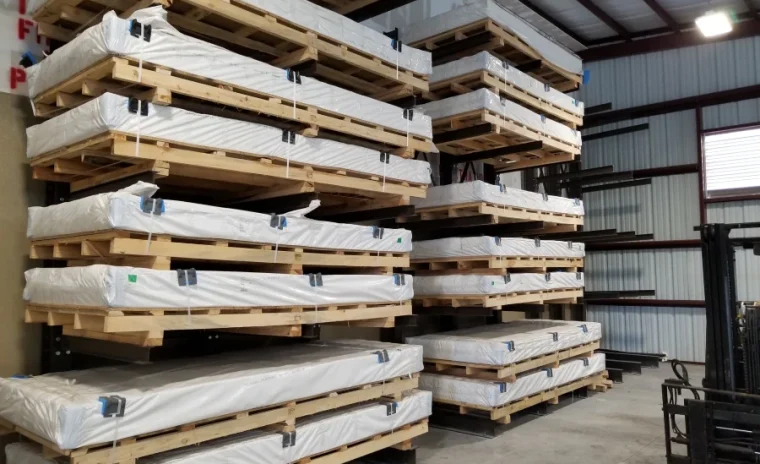
Fiberglass Reinforced Plastic (FRP) panels have become a trusted material across commercial, industrial, and institutional environments because they offer a superior combination of durability, hygiene, and cost-effectiveness. From healthcare facilities and commercial kitchens to hotel corridors and retail spaces, FRP panels protect wall surfaces from moisture, bacteria, and physical damage. Their non-porous, easy-to-clean surfaces make them ideal for high-traffic and high-moisture environments where cleanliness and code compliance are top priorities.
But to get the most out of this innovative product, it’s essential to understand how to cut FRP panels properly, how to install FRP panels efficiently, and how to clean FRP panels so they deliver long-term performance. For property owners and contractors who want wall protection that not only holds up under pressure but also looks polished, this guide delivers everything you need to know, including whether you can paint FRP panels to match your design requirements.
This post covers:
- What makes FRP panels different from other wall systems
- Best practices for cutting, installing, painting, and cleaning FRP
- Expert tips to maximize durability and project efficiency
What Are FRP Panels? Understanding the Material Behind the Performance
Fiberglass Reinforced Plastic (FRP) panels are engineered from a blend of plastic resin and fiberglass fibers. This dual-material composition gives them an unbeatable balance of strength, impact resistance, and flexibility. They are lightweight, moisture-resistant, and designed to withstand continuous wear and exposure to water, chemicals, and moisture.
Top benefits of FRP panels include:
- Moisture Resistance: Won’t absorb water or support mold growth.
- Durability: Resists dents, cracks, and surface damage.
- Easy Cleaning: Non-porous surface stands up to harsh cleaning methods.
- Hygiene Compliance: Meets commercial sanitation codes and USDA/FSIS requirements.
- Versatility: Useful in kitchens, hospitals, manufacturing plants, commercial bathrooms, schools, and more.
Because of these advantages, FRP panels are often installed in commercial environments to reduce repair and maintenance costs and to help meet safety and sanitation standards.
How to Cut FRP Panels: Safety, Tools, and Step-by-Step Instructions
Learning how to cut FRP panels is the first and often most challenging part of working with the material. Because FRP panels are rigid and durable, standard drywall cutting tools aren’t always sufficient. However, with the right tools and preparation, you can make clean, precise cuts without cracking or splintering the panels.
Tools You’ll Need:
- Circular saw or table saw with a fine-tooth carbide-tipped blade
- Diamond-tipped or carbide-tipped jigsaw blade (optional for detailed cuts)
- Tape measure and straight edge
- Masking tape
- Safety goggles, gloves, and dust mask
- Fine-grit sandpaper
Steps to Cut FRP Panels Cleanly:
- Measure and Mark: Use a pencil and straight edge to mark the cut line on the back of the panel.
- Apply Masking Tape: Place masking tape directly over the cut line. This reduces splintering and helps guide your saw.
- Set Up the Saw: If using a circular saw, set the blade depth just slightly deeper than the thickness of the panel.
- Cut Slowly: Make the cut at a slow, steady pace. Avoid forcing the blade, which can splinter the material.
- Sand Edges: Use fine-grit sandpaper to smooth any rough edges or burrs.
- Clean Debris: Wipe down any fiberglass dust from the cut using a damp cloth.
Pro Tip: Always wear safety protection when cutting FRP. The process creates fiberglass dust that can irritate skin and lungs.
How to Install FRP Panels: Best Practices for Long-Lasting Performance
Once your panels are cut to size, the next step is learning how to install FRP panels. Installation involves careful prep, correct adhesive selection, and proper fitting.
Surface Preparation
- Ensure the wall surface is smooth, dry, and free from dirt or oil.
- Patch or sand uneven areas.
- For high-moisture areas, consider installing FRP over water-resistant drywall or existing wallboard.
Materials Needed
- FRP adhesive (trowel-grade or cartridge-grade)
- Plastic or aluminum trim (inside, outside, and division trim)
- 1/8” notched trowel
- FRP panels
- Rollers for adhesive bonding
- Silicone caulk
Step-by-Step Installation Process:
- Dry Fit Panels: Position panels and trims on the wall without adhesive to check alignment and cuts.
- Apply Adhesive: Use the trowel to spread adhesive evenly on the wall in a figure-8 pattern.
- Place Panel: Press the panel into place, starting at the top and working downward.
- Roll Surface: Use a FRP roller to apply even pressure across the panel surface to eliminate bubbles.
- Install Trim: Fit inside, outside, and division trim where needed. Use silicone around edges for water-tight seals.
- Repeat: Continue installing each panel in sequence until the wall is fully covered.
Pro Tip: Install FRP panels at least 48 hours after delivery to let them acclimate to the room temperature and reduce expansion/contraction issues.
Can You Paint FRP Panels? Yes, But With the Right Prep and Products
One common question contractors and property owners ask is: Can you paint FRP panels? The short answer is yes — but it requires the right preparation and products to ensure adhesion.
Steps for Painting FRP Panels:
- Clean the Surface: Remove dirt, oils, or residues with a degreasing cleaner.
- Lightly Sand: Use fine-grit sandpaper to create surface adhesion.
- Use Bonding Primer: Apply a high-quality primer designed for glossy or non-porous surfaces.
- Choose the Right Paint: Use epoxy-based, urethane, or acrylic latex paint suitable for plastic surfaces.
- Apply Thin Layers: Multiple light coats work better than one heavy coat.
Painting is an excellent solution for areas where branding or specific color schemes are required, such as hospitality, retail, or corporate spaces.
How to Clean FRP Panels: Maintenance Tips for Long-Term Performance
FRP panels are designed for easy cleaning, but following best practices can extend their lifespan and keep surfaces looking new.
Cleaning Guidelines:
- Use Non-Abrasive Cleaners: Mild detergent, water, or approved commercial cleaners.
- Avoid Harsh Tools: No steel wool or stiff-bristle brushes.
- Rinse Thoroughly: Remove any cleaning product residue with clean water.
- Disinfect When Needed: Use diluted bleach or disinfectant wipes approved for FRP surfaces.
Routine Cleaning Steps:
- Mix a mild detergent with warm water.
- Use a soft sponge to wipe down the surface.
- For stains, let the detergent sit for a few minutes before scrubbing.
- Rinse and dry the panel with a soft cloth.
Pro Tip: For high-traffic industries like healthcare, food service, and warehousing, set a weekly cleaning schedule for best results.
Why Choose FRP for Your Next Project?
Whether you’re building new construction or updating existing facilities, FRP panels offer unbeatable value in terms of speed, durability, and upkeep. When you understand exactly how to cut FRP panels, install them correctly, and clean them over time, you’re better prepared to deliver long-term performance and code-compliant solutions in demanding environments.
If you’re looking for fast turnaround, premium material, and expert installation in the Southeast, FRP Specialties, LLC is the trusted choice. With a massive in-stock inventory and specialized crews ready to mobilize, our team delivers the fastest, most reliable paneling service in the region.
Ready to Upgrade Your Walls with FRP Panels?
Whether you need help with FRP supply, installation, or technical support, we offer fair pricing, fast scheduling, and premium service. Call us at (863) 943-6176 today for more information or schedule a panel installation through our contact form.